
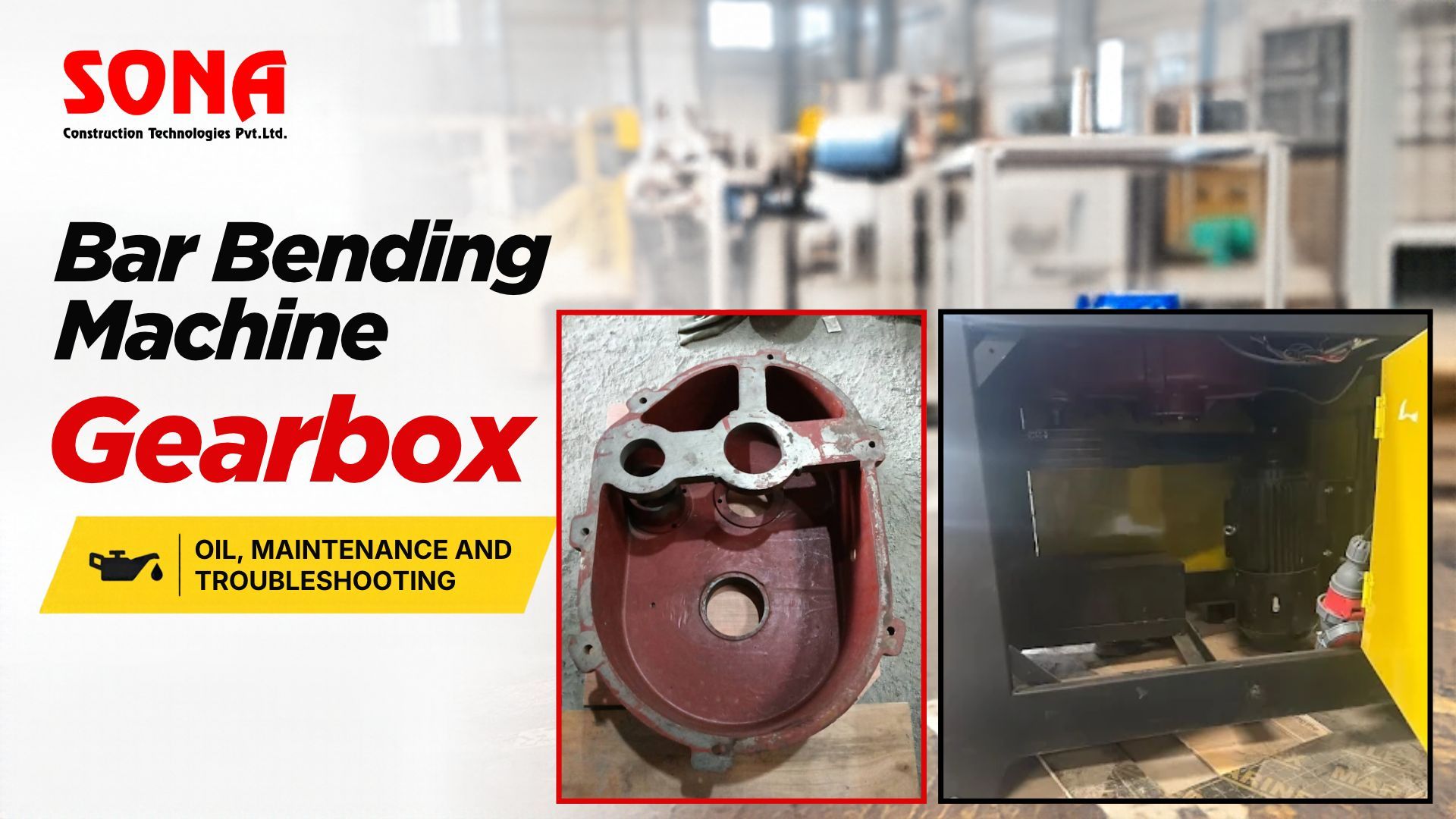
A bar bending machine can continue running its electric motor while its bending mechanism starts showing signs of mechanical trouble. The bending disc may rotate more slowly, the machine may produce unusual grinding sounds, or the gearbox housing may become hotter than usual. In many cases, these symptoms point towards problems in the power transmission system.
The gearbox is one of the most important mechanical assemblies in a conventional motor-driven bar bending machine. It transfers power from the electric motor to the bending mechanism, reduces rotational speed and provides the torque required to bend reinforcement steel bars.
For construction contractors, steel fabrication units and rebar processing businesses, gearbox problems are not simply maintenance concerns. They can interrupt reinforcement production, delay steel fabrication schedules and increase repair expenses.
However, many gearbox failures are preventable. Correct lubrication, regular inspection, proper machine loading and early identification of abnormal operating conditions can significantly reduce avoidable mechanical wear.
This guide explains how a bar bending machine gearbox works, which lubricant it requires, how to inspect it, what causes common gearbox problems and when professional servicing becomes necessary.
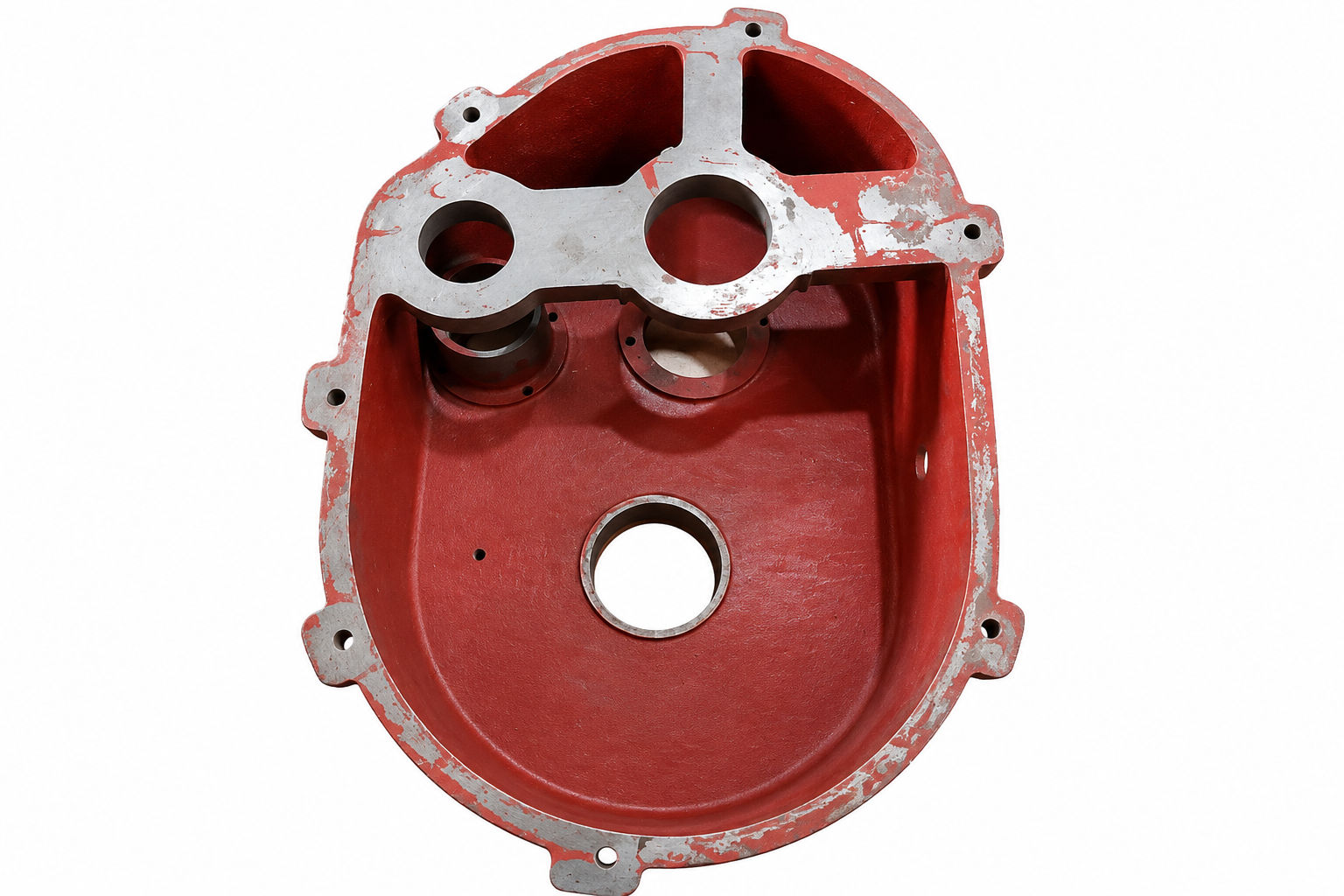
A conventional electric bar bending machine, such as the GW42 or GW52, uses a motor-driven transmission system to rotate its bending disc.
The electric motor generates rotational power, but its output speed and torque characteristics are not directly suitable for bending reinforcement bars. The gearbox modifies this mechanical output to provide the speed and torque required by the bending mechanism.
A typical power transmission arrangement consists of:
The exact arrangement varies according to the machine's design. This guide focuses on stationary, motor-and-gearbox machines. Compact portable rebar bending machines such as the WQJ32 and NRB-22B use a different drive arrangement and have their own portable rebar bending machine spare parts.
Why is gearbox performance important?
Consider a machine used to bend reinforcement bars for RCC columns, beams, slabs and foundations.
During each bending cycle, the transmission system must deliver sufficient torque to overcome the resistance of the steel bar. The amount of load depends on several factors:
If the gearbox is inadequately lubricated, internally worn or subjected to excessive loads, its ability to transmit power efficiently can deteriorate.
This can result in abnormal noise, excessive heat, vibration, reduced bending performance and eventually mechanical failure.
This is one of the most common maintenance questions among bar bending machine operators.
There is no single universal gearbox oil for every bar bending machine.
The correct lubricant depends on the gearbox design, gear arrangement, lubrication method, operating temperature and manufacturer's specifications.
Oil-lubricated versus grease-lubricated gearboxes
Before purchasing lubricant, identify which lubrication system your machine uses.
A. Oil-lubricated gearbox
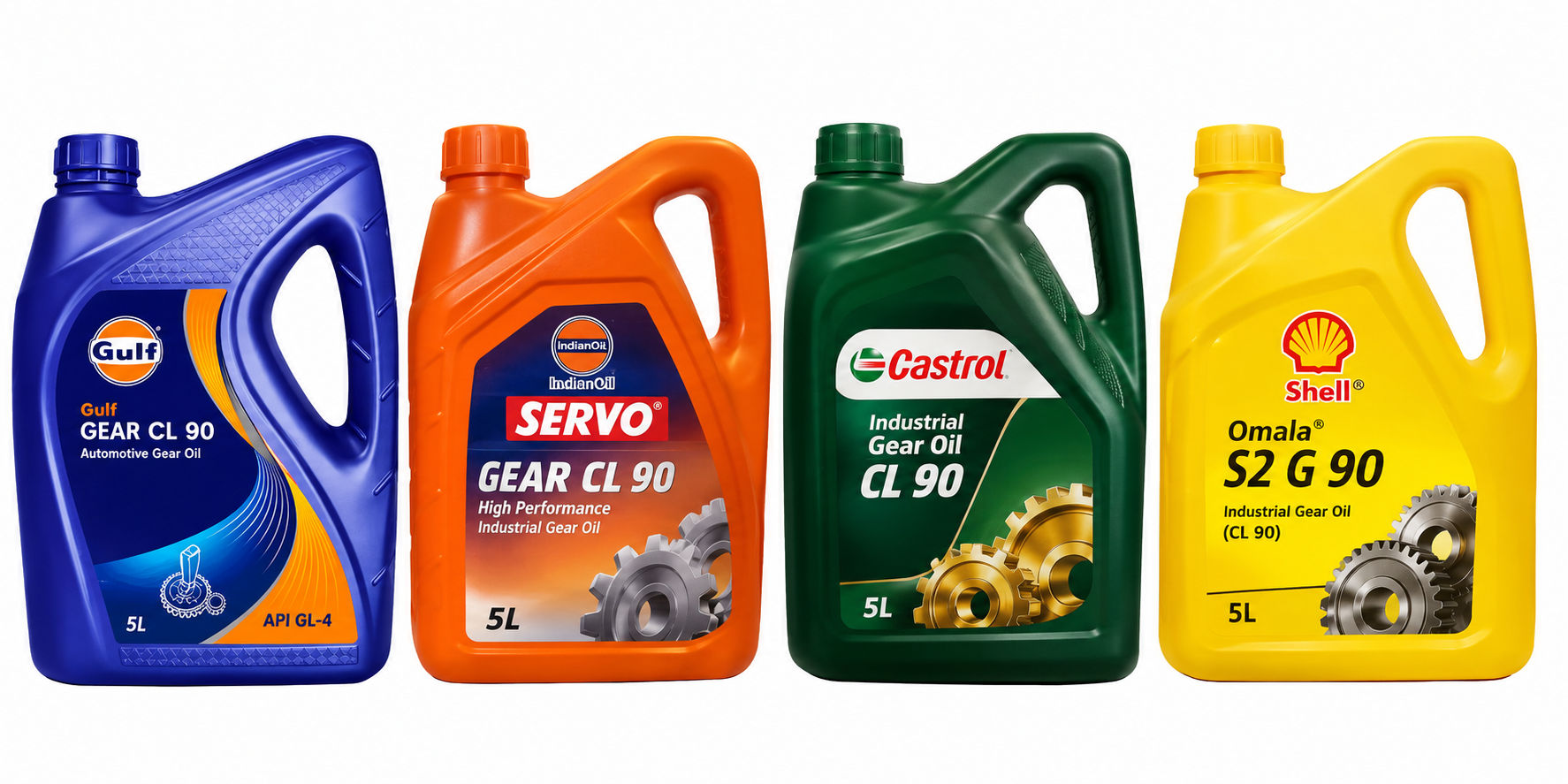
An oil-lubricated gearbox generally uses a specified quantity of gear oil to lubricate internal gears and bearings.
For example, SONA's GW42 uses an oil-lubricated gearbox filled with CL90 gear oil (approximately 7 litres, depending on the gearbox).
Depending on the design, the gearbox may have:
Some gearboxes use splash lubrication, where rotating gears distribute oil to internal components.
B. Grease-lubricated gearbox
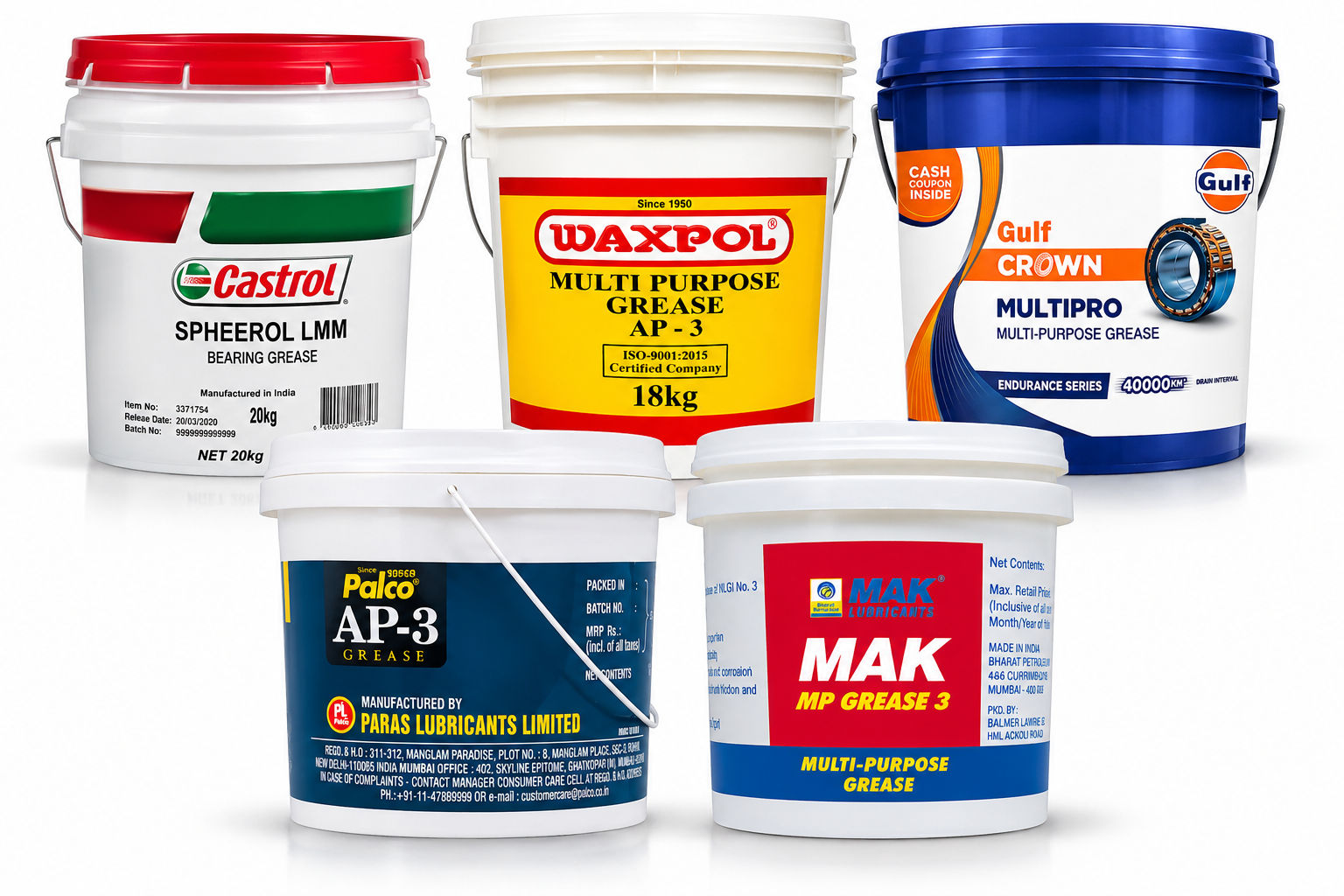
Certain bar bending machine designs use grease instead of circulating gear oil.
For example, SONA's GW52 uses a grease-lubricated gearbox packed with yellow grease (approximately 3 kg, depending on the gearbox), so gear oil should not be added to it.
Grease remains within the designated lubrication area and provides a protective lubricating film between moving components.
These systems may require periodic inspection and replenishment according to the manufacturer's instructions.
C. Planetary gearbox
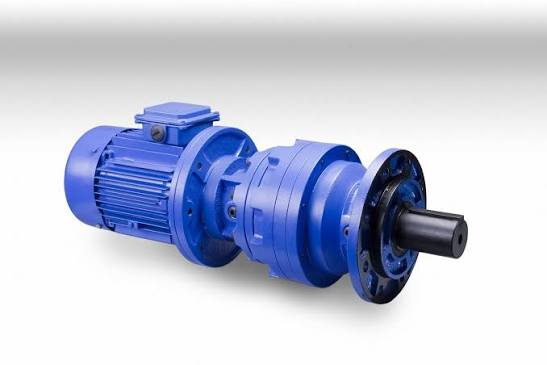
Some machines use a planetary gearbox, in which several planet gears rotate around a central sun gear inside an outer ring gear. Because the load is shared across multiple gear contacts, a planetary gearbox delivers high torque from a compact housing.
SONA's SXW42 uses a planetary gearbox. Its internal construction differs from a conventional gearbox, so lubrication and servicing should follow the procedure specified for that model.
How to select the correct gearbox lubricant
Before selecting oil or grease, check the following:
| Inspection parameter | What to verify |
|---|---|
| Lubrication type | Oil, grease or sealed lubrication |
| Oil viscosity | Manufacturer-specified viscosity grade |
| Lubricant specification | Required performance classification |
| Operating temperature | Suitable lubricant for the working environment |
| Filling quantity | Correct oil volume or grease quantity |
| Replacement interval | OEM-recommended operating hours or calendar period |
SONA's recommended gearbox lubricants
| Gearbox type | Recommended lubricant | Typical quantity | Example model |
|---|---|---|---|
| Oil-lubricated | CL90 gear oil | Approx. 7 litres | GW42 |
| Grease-lubricated | Yellow grease | Approx. 3 kg | GW52 |
The exact quantity is decided by the specific gearbox fitted to the machine, so check the machine manual or confirm with SONA before filling.
Important: Do not select gearbox oil simply because it is commonly used in automobiles, tractors or other construction equipment.
For example, SAE 90 and SAE 140 are different viscosity grades within the SAE gear-oil classification, while ISO VG 220 belongs to the separate ISO industrial viscosity system. These grades are not interchangeable and cannot be substituted without checking the gearbox manufacturer's requirements.
Also, hydraulic oil and engine oil should not automatically be used as substitutes for industrial gear oil.
Using the wrong lubricant can cause inadequate lubrication, excessive friction, seal incompatibility and premature gear or bearing wear.
Practical recommendation: If the gearbox identification plate or manual is unavailable, contact the machine supplier with the model number and gearbox details before adding or replacing lubricant.
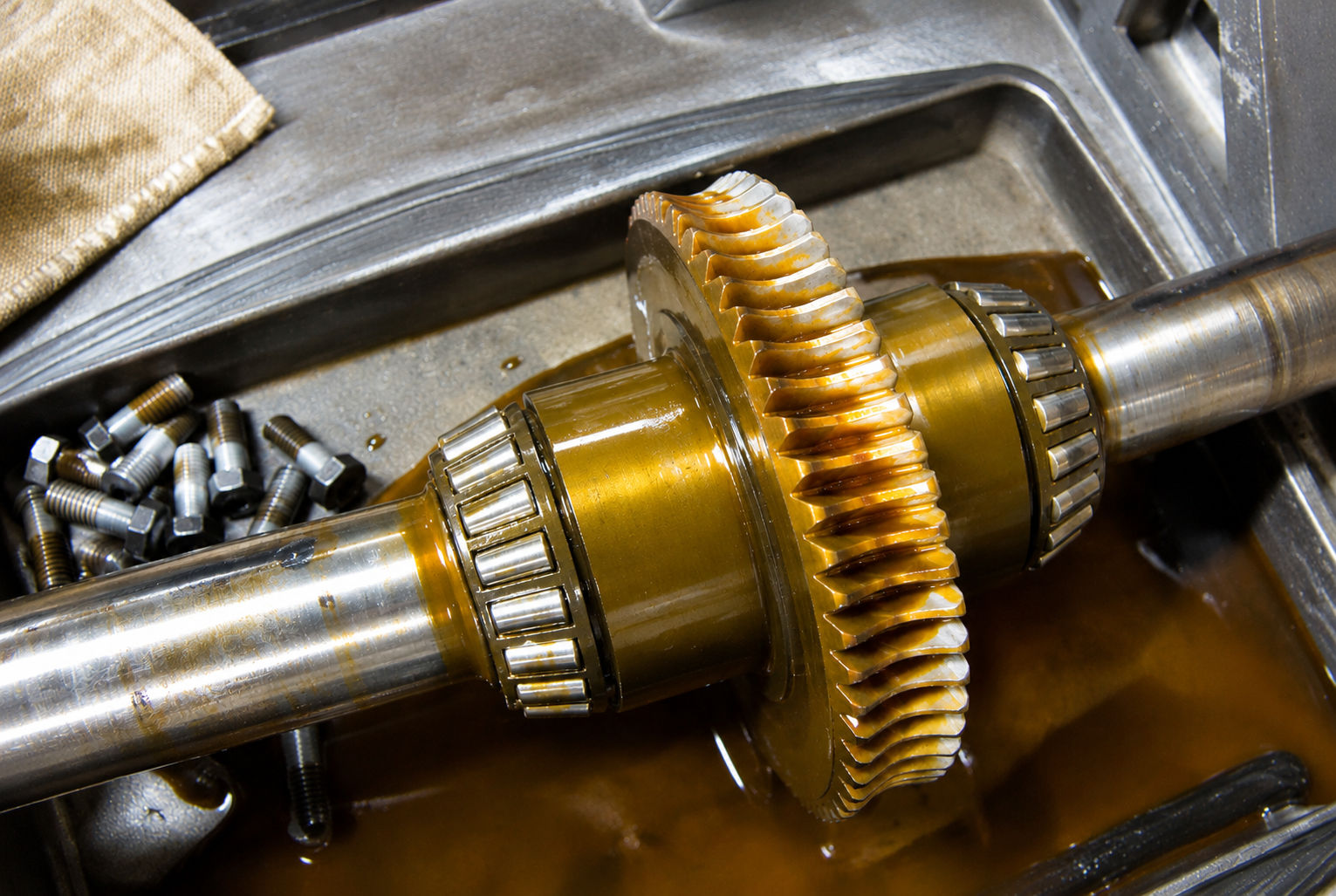
Checking gearbox lubrication should be part of the machine's preventive maintenance routine. (For a wider view of site equipment upkeep, see our complete guide to construction machinery maintenance.)
However, the inspection procedure depends on the gearbox construction.
For an oil-lubricated gearbox, such as the one used in the GW42, follow these steps:
Step 1: Switch off and isolate the machine
Stop the machine, disconnect the power supply and prevent accidental restarting. Allow the gearbox to cool before inspection.
Step 2: Locate the oil-level checking point
Identify the manufacturer's designated oil-level plug, dipstick or sight glass. Do not assume that every bolt on the gearbox housing is an inspection point.
Step 3: Inspect the oil level
Position the machine as specified in its operating manual. Check whether the oil is within the recommended level.
An incorrectly positioned machine can produce a misleading reading.
Step 4: Inspect the lubricant condition
Look for unusual discoloration, visible contamination, metallic particles, foaming or an abnormal burnt smell.
A change in colour alone does not establish that the oil has failed, but unusual contamination or metallic debris warrants further investigation.
Step 5: Check for external leakage
Inspect the following areas:
Step 6: Top up only if required
Use the exact lubricant specification recommended for the gearbox: CL90 gear oil for SONA's oil-lubricated gearboxes such as the GW42.
Do not overfill. Excessive oil can cause churning losses, heat generation, foaming and leakage.
For grease-lubricated gearboxes (such as the GW52), planetary gearboxes (such as the SXW42) or sealed gearboxes, follow the appropriate manufacturer's inspection procedure instead of applying this oil-level checking process.
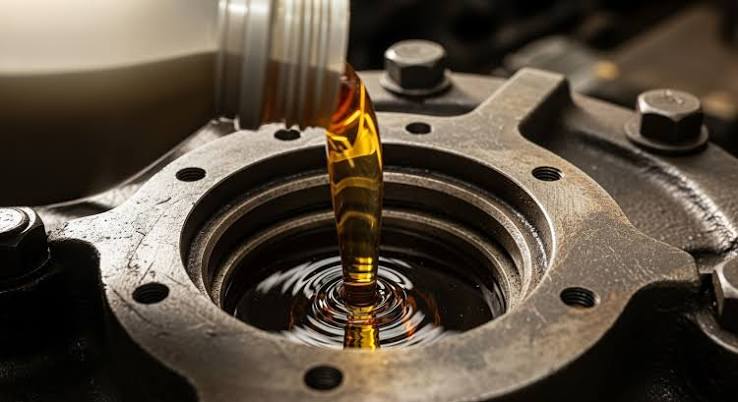
For SONA bar bending machines, the recommended practice is to top up the gearbox lubricant every 50–100 operating hours, depending on the level observed, and to change the oil or grease completely every 300–500 operating hours.
Where exactly a machine falls within these ranges depends on how hard it works. Machines running long shifts, bending near their rated capacity or operating in hot, dusty conditions should be serviced towards the shorter end of each range.
Factors that decide the right interval within these ranges:
Practical gearbox inspection schedule
The following is a suggested inspection framework, based on SONA's recommended service intervals.
| Frequency | Maintenance activity |
|---|---|
| Before each shift | Look for oil leakage, abnormal noise and visible damage |
| Weekly | Inspect gearbox housing, seals, mounting bolts and lubrication points |
| Monthly | Review lubrication condition and operating temperature trends |
| Every 50–100 operating hours | Check lubricant level and top up oil or grease as required |
| Every 300–500 operating hours | Change gearbox oil (CL90) or replace grease (yellow grease) completely |
| During major servicing | Inspect gears, shafts, bearings, seals and internal wear |
What if the machine operates for 8–10 hours daily?
A machine working continuously in a steel fabrication unit experiences a different duty cycle from one used occasionally at a construction site.
For higher-utilisation machines, record the operating hours rather than relying only on calendar months.
For example, a gearbox used for eight hours daily accumulates substantially more operating hours in a month than a machine used for one hour per day.
This makes hour-based maintenance records particularly useful for contractors and fabrication businesses operating multiple machines.
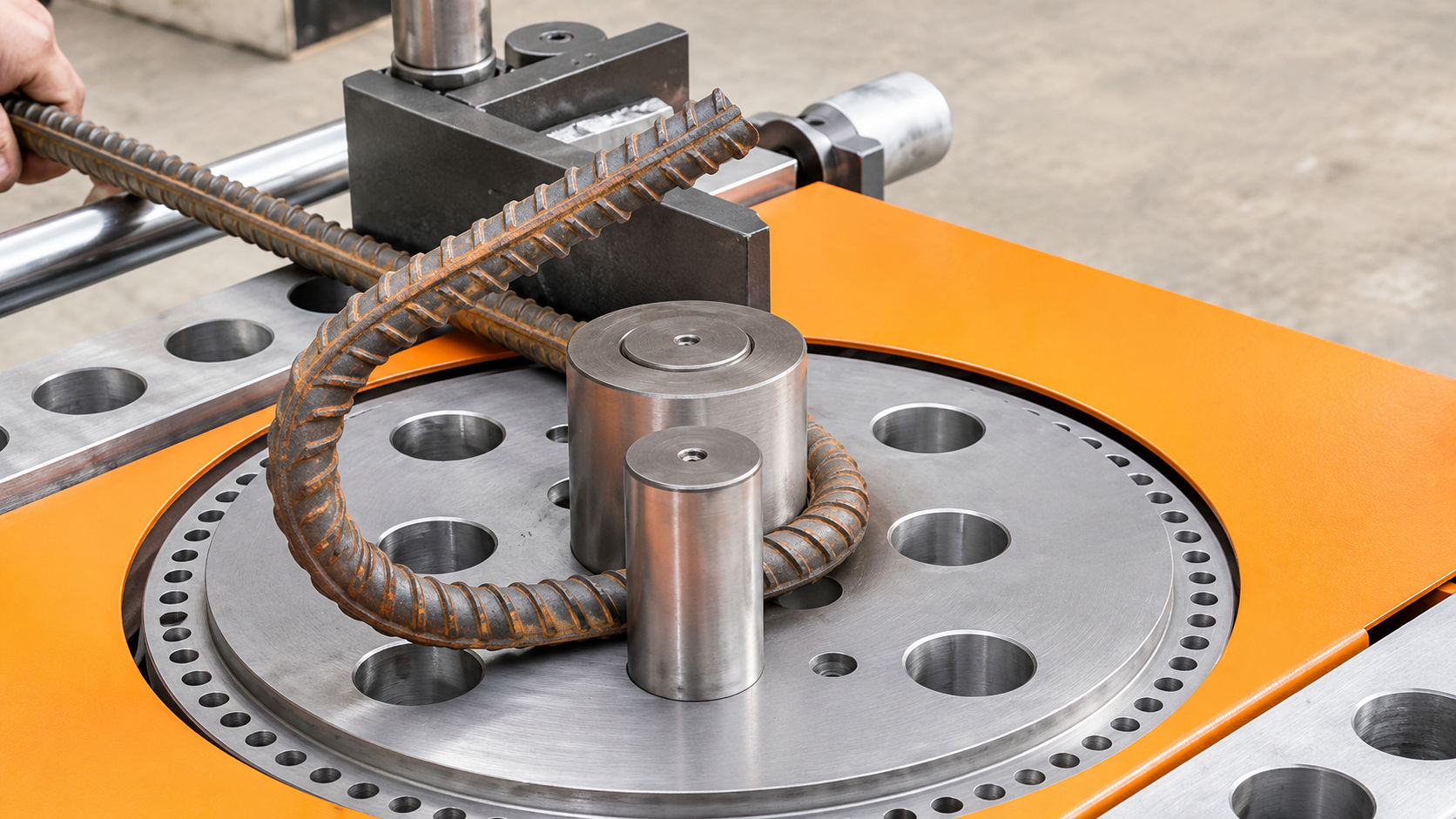
Gearbox problems generally develop gradually. Identifying the early symptoms can prevent further damage to the transmission assembly.
Symptoms:
Possible causes:
What should you check?
First, stop the machine and allow it to cool. Inspect the lubrication level and look for leakage.
If the lubricant level is correct but overheating continues, the gearbox may have internal friction, bearing damage or excessive mechanical loading.
Do not continue operating a gearbox that repeatedly overheats.
A properly functioning gearbox should operate without sudden or progressively increasing mechanical noise.
Possible causes:
What should you check?
Listen for changes in the sound during operation. Grinding, knocking and repetitive clicking can indicate different mechanical faults.
Inspect accessible mounting points and check for visible looseness.
If the noise originates from inside the gearbox, arrange professional inspection. Opening the gearbox without the appropriate technical knowledge may cause further damage.
Oil leakage is an important warning sign because it can gradually reduce the lubricant available to protect internal components.
Common leakage points:
Recommended action:
Identify the leakage point rather than simply topping up the oil repeatedly.
If the seal is damaged, it should be inspected and replaced with a compatible component from the bar bending machine spare parts range. Also check the shaft surface for wear because a damaged shaft can cause a replacement seal to leak again.
If the motor runs but the bending disc rotates more slowly than normal, the problem may be mechanical or electrical.
Possible causes:
What should you check?
First, verify that the electrical supply matches the machine's rated voltage and phase requirements.
Then check whether the machine is being operated within its rated bending capacity.
If the motor operates normally but transmission output remains weak, arrange an inspection of the gearbox, shafts and associated components.
Do not assume that every slow-rotation problem is caused by the gearbox.
This condition may indicate a failure in the power transmission path.
Possible causes include:
Stop operating the machine and have the transmission system inspected.
Repeatedly restarting the motor against a jammed or disconnected mechanism can increase the damage.
Gear breakage is one of the most serious gearbox failures. A broken tooth can also damage the other gears, bearings and shafts it comes into contact with.
Symptoms:
Possible causes:
What should you do?
Stop the machine immediately and do not restart it. Have all the gears inspected, not just the broken one, because fragments can damage other components. Replace damaged gears with compatible bar bending machine spare parts.
A broken shaft cuts the power path between the gearbox and the bending disc.
Symptoms:
Possible causes:
What should you do?
Stop the machine and have the shaft, bearings, keys, couplings and gears inspected together. Replacing only the shaft without fixing misalignment or worn bearings can lead to the same failure again.
Running the gearbox without oil or grease is one of the fastest ways to destroy it.
Common reasons:
What happens:
Without lubricant, the gears and bearings run metal-to-metal. This causes rapid heating, scoring of gear teeth, seized bearings and, eventually, gear and shaft breakage.
How to prevent it:
If the machine has already run dry, stop it, have the gearbox inspected for damage and refill it with the correct lubricant (CL90 gear oil or yellow grease, as applicable) before restarting.
The following table helps operators identify the likely source of a problem before arranging technical servicing.
| Problem | Possible cause | Recommended action |
|---|---|---|
| Gearbox overheating | Low lubricant or excessive load | Check lubricant level and operating load |
| Grinding noise | Worn gears or bearings | Stop and arrange internal inspection |
| Knocking sound | Loose mounting or damaged components | Inspect mounting and transmission assembly |
| Oil leakage | Worn seals or damaged gasket | Identify leak and replace defective components |
| Slow bending disc | Motor, supply or gearbox problem | Check electrical supply and transmission |
| Motor runs but disc does not move | Gear or shaft connection failure | Stop machine and inspect drive assembly |
| Repeated gearbox failure | Overloading or incorrect lubrication | Review operating practices and lubricant specification |
| Excessive vibration | Misalignment or loose mounting | Inspect foundation and mechanical connections |
| Gear breakage | Overloading, shock loads or dry running | Stop immediately; inspect all gears and replace damaged ones |
| Shaft breakage | Overloading, misalignment or worn bearings | Inspect shaft, bearings, keys and alignment; replace damaged parts |
| Dry running | No lubricant filled or undetected leak | Stop, inspect for damage, refill with CL90 oil or yellow grease |
This chart is intended for preliminary diagnosis. It does not replace a manufacturer's troubleshooting procedure or professional inspection.
A gearbox can operate reliably for years when the machine is used within its design limits and maintained correctly.
The following practices are particularly important in Indian construction and steel fabrication environments.
A common operational mistake is attempting to bend reinforcement bars beyond the machine's rated capacity.
The actual bending load depends on bar diameter, steel properties and the number of bars being processed simultaneously.
Excessive loading increases the torque demanded from the transmission system and can accelerate gear, shaft and bearing wear.
Always refer to the machine's rated bending capacity.
If a machine is rated for a particular maximum bar diameter, do not assume it can safely bend larger bars because the motor appears powerful enough. For example, a 32 mm-rated machine such as the GW42 should not be pushed to bend 40 mm bars; that work calls for a 40 mm-rated machine such as the GW52.
Gearbox capacity, bending disc strength, bending pins and the complete mechanical assembly must be considered together.
Steel fabrication areas generate dust, metal particles and cutting debris.
Accumulated debris around seals, shafts and moving parts can interfere with mechanical movement and contribute to premature wear.
Clean the machine using suitable methods recommended by the manufacturer. Do not direct compressed air or water into electrical enclosures, bearings or gearbox openings.
Operators should be trained to recognise changes in machine behaviour.
A sudden increase in noise, vibration or operating temperature should be investigated rather than ignored.
Recording these observations can help technicians identify developing faults before they become major failures.
Most industrial bar bending machines use three-phase electrical supplies.
Incorrect voltage, phase imbalance or missing phases can affect motor performance and increase the risk of electrical and mechanical problems.
For example, SONA's GW42 is specified for a 415 V supply, while the GW52 and SXW42 are specified for 380/415 V.
Always verify the actual machine nameplate and wiring diagram before operation.
When replacing gears, bearings, shafts or oil seals, ensure the components match the machine's design and specifications. SONA supplies bar bending machine spare parts, including replacement gears, shafts, switches and electrical components, for GW42, GW42J, GW52 and other compatible machines.
Incorrect gear dimensions, bearing clearances or shaft tolerances can affect alignment and accelerate wear.
Not every gearbox problem requires a complete gearbox replacement.
The decision depends on the extent of damage and the availability of compatible spare parts.
Minor servicing may be sufficient when:
Professional gearbox repair may be necessary when:
Gearbox replacement may be more appropriate when:
Before replacing the complete gearbox, ask the service technician to inspect the motor coupling, transmission shaft, bearings, mounting arrangement and bending disc.
A fault elsewhere in the power transmission system can sometimes be mistaken for gearbox failure.
A simple maintenance record can help operators identify recurring issues and plan servicing.
Daily inspection
Weekly inspection
Monthly inspection
Scheduled servicing
Safety note: Always disconnect and isolate the electrical supply before carrying out maintenance. Internal gearbox inspection, dismantling and repairs should be performed by qualified technicians.
Q1. Which oil is best for a bar bending machine gearbox?
There is no universal oil grade for every bar bending machine. The correct lubricant depends on the gearbox design and manufacturer specifications. Check the machine manual or contact the supplier before selecting oil. For SONA machines, CL90 gear oil is recommended for oil-lubricated gearboxes such as the GW42, and yellow grease for grease-lubricated gearboxes such as the GW52.
Q2. Can I use SAE 90 gear oil in a bar bending machine?
Only if the gearbox manufacturer specifically approves that lubricant specification. SAE 90 should not be treated as a universal replacement for all gearbox oils or greases.
Q3. How often should gearbox oil be changed?
For SONA bar bending machines, top up the lubricant every 50–100 operating hours based on the level, and change it completely every 300–500 operating hours. Oil-lubricated, grease-lubricated and sealed gearboxes have different maintenance requirements. Operating hours and working conditions also influence service requirements.
Q4. Why does my bar bending machine gearbox become hot?
Common causes include insufficient lubrication, incorrect lubricant, excessive bending load, damaged bearings and internal gear friction. Stop the machine if overheating is abnormal or persistent and arrange an inspection.
Q5. Why is my bar bending machine making a grinding noise?
Grinding noise can indicate worn gears, damaged bearings, poor lubrication or misalignment. Stop operating the machine if the noise is sudden or severe.
Q6. Why is oil leaking from my bar bending machine gearbox?
Common reasons include damaged shaft seals, loose drain plugs, deteriorated gaskets, damaged housing or overfilling. Identify the source of the leakage before adding more oil.
Q7. Can I continue operating the machine if gearbox oil is leaking?
It is not advisable to continue operation when the leak is significant or the lubricant level is below the recommended limit. Stop the machine and arrange inspection before further use.
Q8. Does a sealed gearbox require oil replacement?
Not necessarily. Some sealed gearboxes are designed with factory-filled lubricant for extended service. However, leakage, overheating or abnormal noise still requires technical inspection.
Q9. Does bending thicker TMT bars increase gearbox load?
Yes. Increasing the bar diameter or bending multiple bars simultaneously can increase the required bending force. The machine must be operated within its rated capacity and approved bending combinations.
Q10. What should I check before purchasing a bar bending machine?
Apart from maximum bending capacity and motor power, check the gearbox construction, transmission design, machine weight, bending speed, electrical requirements, spare parts availability, warranty and after-sales service. Our rebar bending machine price and buying guide covers these factors in detail.
Gearbox maintenance begins with selecting a machine suitable for the actual working requirements.
A machine used for occasional reinforcement work on a small construction site may have different requirements from equipment operating continuously in a steel fabrication yard.
Before purchasing, consider:
SONA offers different bar bending machine configurations for reinforcement processing applications.
For example:
Designed for bending reinforcement bars from 6–32 mm, the GW42 has a 3 kW brake motor, an oil-lubricated gearbox and a bending speed of 5–10 r/min. The GW42J and GW42 New Panel variants are also available.
The GW52 is designed for 6–40 mm reinforcement bars and uses a 4 kW brake motor with a grease-lubricated gearbox and a bending speed of 20 r/min. The GW52J and GW52 New variants are also available.
The SXW42 is designed for reinforcement bars up to 32 mm, with a 3 kW motor, a planetary gearbox and a faster bending speed of 14–19 r/min in a more compact frame.
| Model | Bar range | Motor | Supply | Bending speed | Gearbox type |
|---|---|---|---|---|---|
| GW42 | 6–32 mm | 3 kW brake motor | 415 V | 5–10 r/min | Oil-lubricated |
| GW52 | 6–40 mm | 4 kW brake motor | 380/415 V | 20 r/min | Grease-lubricated |
| SXW42 | Up to 32 mm | 3 kW | 380/415 V | 14–19 r/min | Planetary |
The appropriate machine should be selected according to the actual bar diameter, steel properties, production requirements and operating conditions. If your yard also bends stirrups in volume, an automatic stirrup bending machine can take that load off your bar bender.
The gearbox plays a critical role in the performance and reliability of a conventional bar bending machine. Incorrect lubrication, excessive bending loads, poor maintenance and delayed fault identification can lead to unnecessary mechanical wear and production interruptions.
For contractors and steel fabrication businesses, the best approach is to follow a preventive maintenance schedule, use the correct lubricant, monitor abnormal operating conditions and replace damaged components before they cause further transmission damage.
Most importantly, never assume that every bar bending machine requires the same gearbox oil or maintenance interval. Always follow the manufacturer's technical specifications.
At SONA Construction Technologies, we understand the importance of reliable construction equipment, technical support and the availability of compatible spare parts. Explore our bar bending machine spare parts, compare bar bending machine models, or contact our team with your machine model for lubricant, servicing or spare parts support.
SONA – Honest Quality. Honest Pricing.
Bar Bending Machine Gearbox: Oil, Maintenance and Troubleshooting
How to Prevent Honeycombing in Concrete: Causes, Proper Needle Vibrator Technique and Site Solutions
Stirrup Bending Machine for Rebar Yards: Calculate Your ROI and Payback Period
Bar Cutting Machine Price in India: GQ40 vs GQ50 vs GQ52 Buying Guide
Why Soil Compaction Fails Even After Multiple Roller Passes: 7 Site-Level Causes and How to Fix Them

Copyright © 2026 Sona Construction Technologies Private Limited